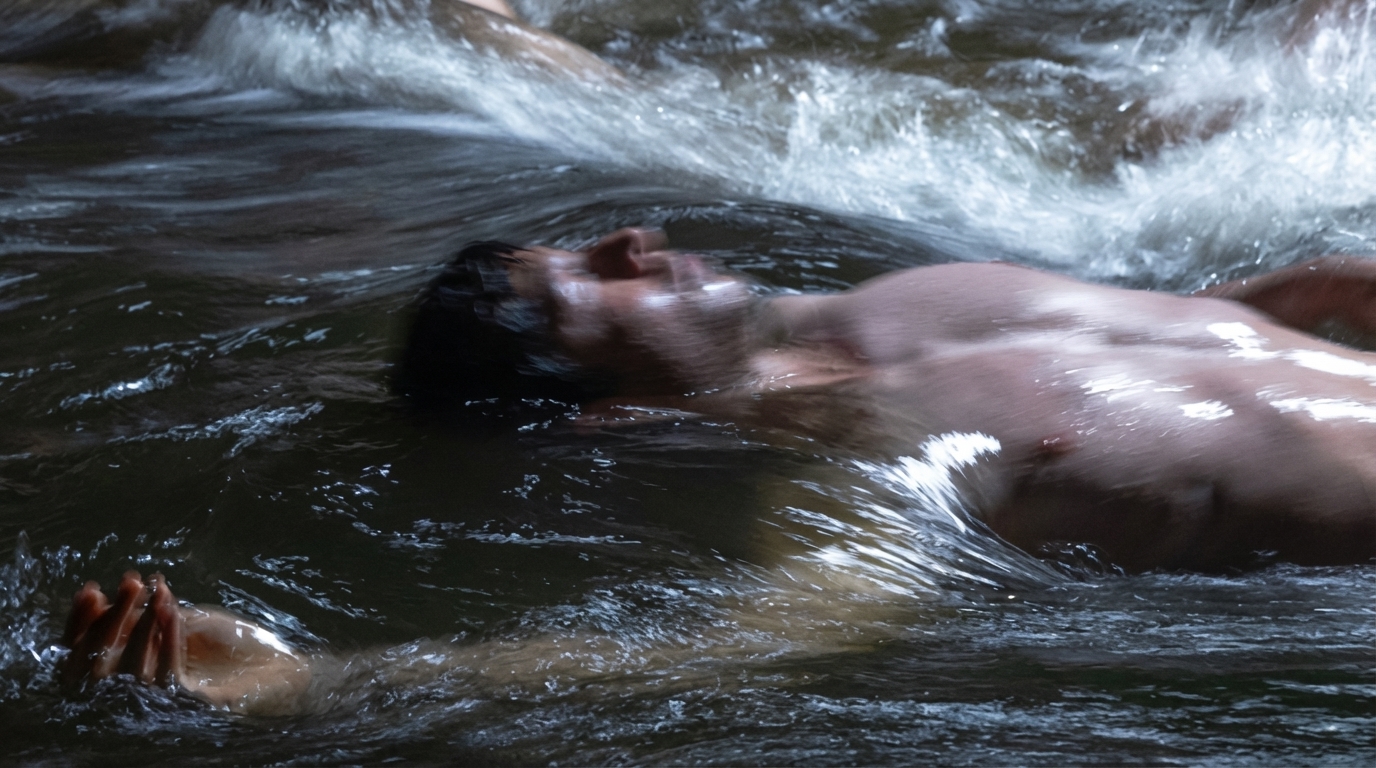
Winston, Wes, WeSeeClearly
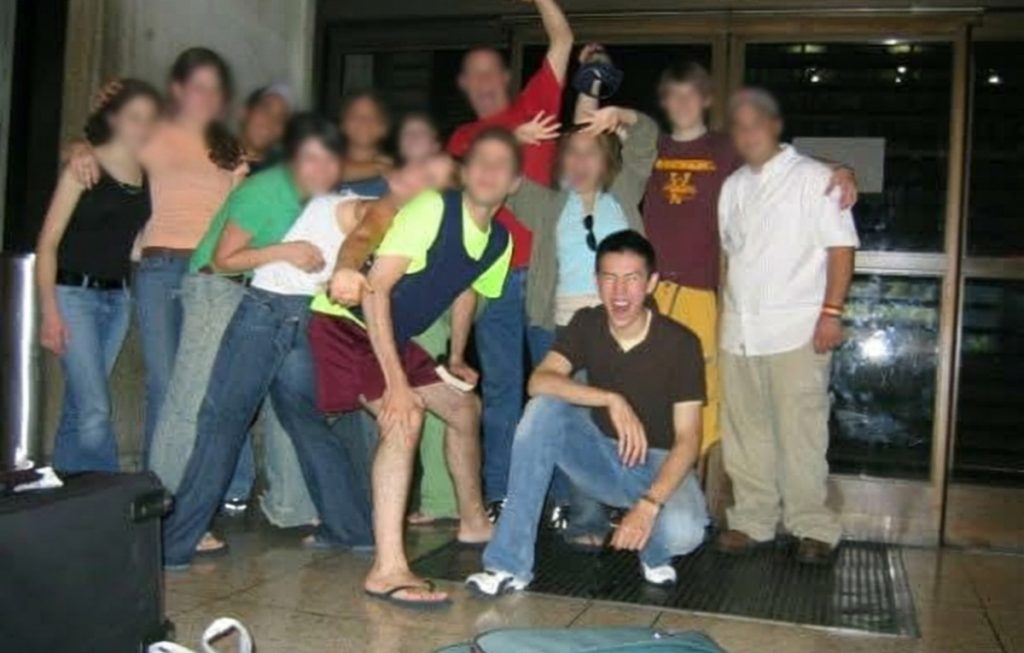
Winston, Wes, W*S*C*. Different edges around the same opening.
I was twelve the first time I intentionally chose a different name. It was summer camp. During roll call on the first day, I cut in as soon as I heard “Winston” and said, “Will is fine.” The counselor repeated it back, wrote it down, and for the next two weeks I was Will.
The syllable landed more softly in other people’s mouths, and the room itself seemed to take a half step forward. For a few days, I could observe myself without the usual set of expectations leaning over my shoulder, the way you only notice a body changing later, in photographs.
A Name as Expectation
“Winston Chmielinski” has weight to it. At school it could feel like being called into the principal’s office, not for what I’d done, but for what I hadn’t become yet.
By my later teens, the fit between the name and the life inside it started to strain. I began noticing the micro-moment after an introduction, when a person’s face recalibrates, hearing the name and then meeting me, very clearly East Asian. It’s quick and usually well-intended, but I grew tired of that small adjustment being the first thing we did together.
“The brain reaches for a familiar pattern, realises it doesn’t quite fit, and then smooths over the seam.”
The brain reaches for a familiar pattern, realises it doesn’t quite fit, and then smooths over the seam. I wasn’t offended. I was weary of beginning there, with the small act of translation that has to happen before anything more interesting can.
At the same time, I’ve never been interested in erasing what I was given. I know what rupture can do. I’ve watched it in the world, and I’ve lived some version of it, where the clean cut meant to free you also introduces a long, quiet homelessness. There are ways of working with what is already true and making it more spacious, without pretending the severance itself is the achievement.
So I began where I tend to begin when I want to change something without breaking it. I returned to structure, to the idea that a form can keep its integrity while its openings are redistributed, so that what felt fixed can become reconfigurable.
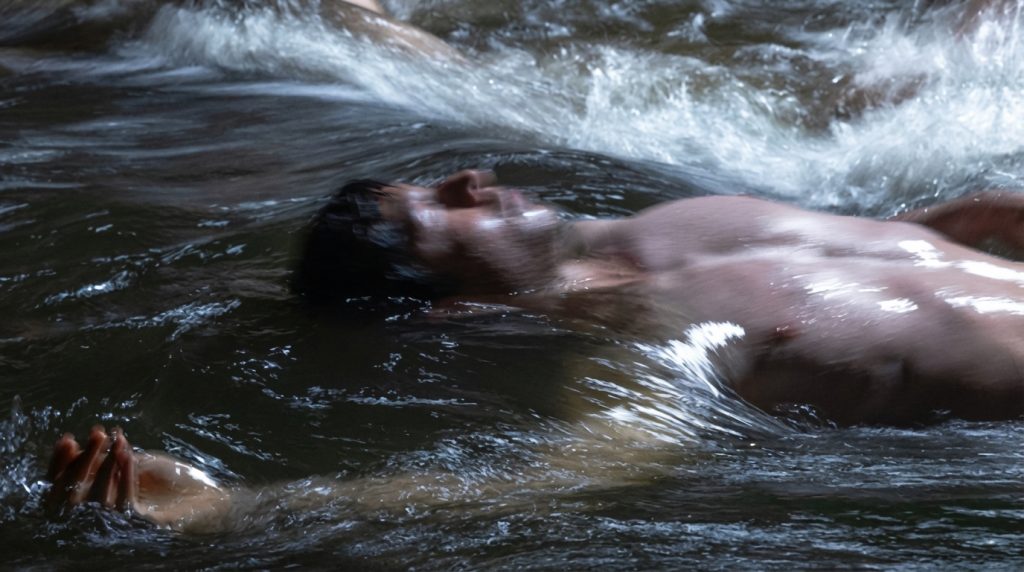
Pronunciation as Versioning
Part of why I reach for modularity might be that I was given more than one name from the start. My mom gave me a Chinese name, 司徒弘濤, which in Cantonese is heard as Si Tou Wang Tou (si1 tou4 wang4 tou4), and in Mandarin as Sītú Hóngtāo (sī tú hóng tāo). Even before you get to meaning, you feel the same person refracted through different mouth-shapes and different music. It’s a name with intention built in no matter how it’s pronounced, the kind that connects in the deep ocean below the waves.
弘 carries the sense of broadening, enlarging, carrying forward. 濤 is great waves.
When I look at older scripts, the characters don’t feel like labels so much as mechanisms, a bow drawn into tension, water pushed into surge, and something in me recognizes the logic of aspiration as craft, as form doing work.
That might be why initials appealed to me later. They let meaning and sound loosen their grip on each other, while still keeping the bones.
A Common Phrase, Not a Brand
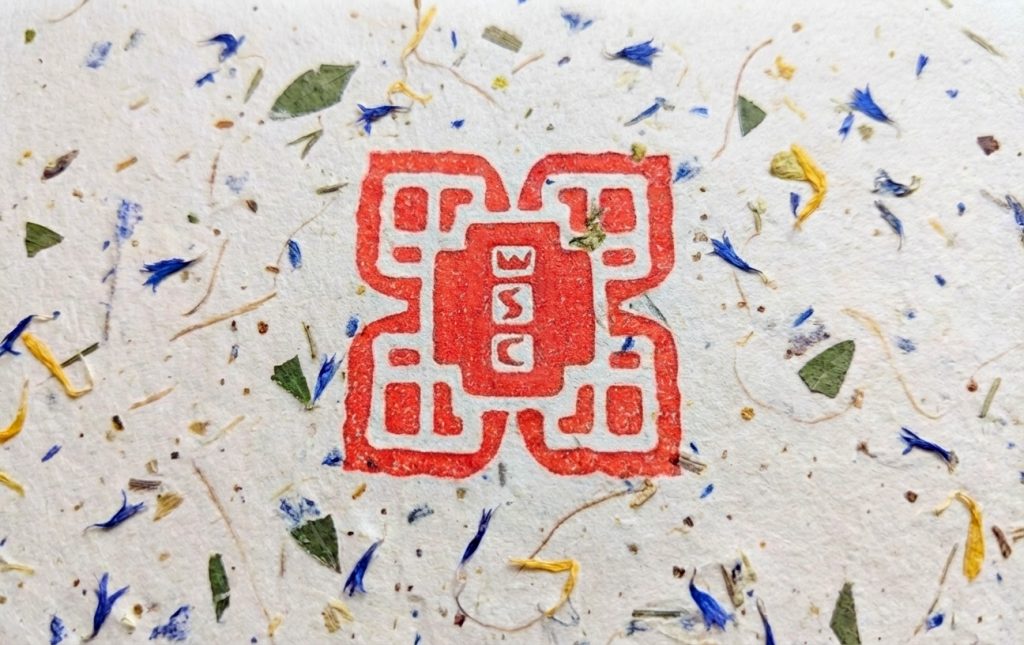
My initials are WSC. For a while I treated them the way you might treat a small set of musical notes, playing them, inverting them, listening for what they suggest. Out of that came WeSeeClearly, a phrase that felt both aspirational and strangely ordinary, like something you could overhear in conversation and then realise, a second later, that it had been addressing you.
“A phrase like that has the feel of a commons, the kind of language nobody can quite justify owning…”
It turned out that WeSeeClearly, in that exact form, was mostly available on the places I actually use, my website and Instagram. That surprised me, not because it was obscure, but because it was so plain. A phrase like that has the feel of a commons, the kind of language nobody can quite justify owning, and I liked that it could still sit out in the open.
So I took it, less as possession than as alignment, a way to stand near an utterance that belongs to everyone and let it color the work around it.
When a Nickname Fits
Then, in 2020, I stepped away from painting for a while and entered a different world. New work, new people, and a new kind of anonymity that reminded me of those childhood summers, where you can arrive without your usual story already waiting for you. I was being met without the accumulated weight of “artist,” without the ambient expectations that gather around a practice over years, and something in me relaxed.
During that period a small hinge swung on a Zoom call. Someone saw my initials, WSC, and began referring to me as Wes. It landed with a kind of instant rightness, partly because it was plain, and partly because it wasn’t arbitrary. Say W S C quickly enough and it becomes Wes C. Say WeSeeClearly quickly enough and it folds into the same sound.
From there I started introducing myself as Wes without explanation. I wanted the name to stay a little open, the way “Will” did when I was a kid, giving me a small pocket of space in which to watch what happens when I arrive without some of the older furniture in the room.
For the next few years I worked in other fields. A whole world learned me as Wes. When those worlds later overlapped with older ones, it created a gentle split-screen effect. People who knew me before 2020 still called me Winston. People who met me after called me Wes. It felt like timestamping, like the same person saved under two filenames, both accurate depending on where you first opened the document.
Somewhere in that overlap the artist-name question stopped feeling like a branding decision and started feeling like a practice in attention. A chosen name changes how you are approached, and that shift changes what parts of you get asked to appear. Over time, even good frames can begin to impersonate the person inside them.
Lately, I’ve been feeling the next step in that practice, partly because my life has moved through such different rooms that different people now hold different labels for me, and many of them are accurate in their own local way. Painter. Technologist. Community Lead. Project Manager. Researcher. Patternmaker. Creative Director. Each role has its own gravity, its own vocabulary, its own way of making a person legible.
I’m interested in legibility, and I’m interested in what legibility costs.
Open Form
WSC is the identifier I reach for when I want something that holds shape without sealing me in. It keeps the door open for whatever name a person reaches for in the moment, and it keeps me from collapsing into a single frame.
At the end of the day, this isn’t only about naming myself. It’s about moving through the world with the power of names without letting them decide the full contour of what they name, and without paying the full cost of being made legible.
“I’m drawn to frames that protect emptiness rather than fill it, to scaffolds that hold an opening steady so something living can keep moving inside.”
That question shows up everywhere in my work. I’m drawn to frames that protect emptiness rather than fill it, to scaffolds that hold an opening steady so something living can keep moving inside. Names can do that too, when they’re used with care.
Winston, Wes, W*S*C*. Different edges around the same opening.

Leave a comment